
Popular Solutions For Door Closer Repair Projects
Discover essential tools and parts that make repairing door closers straightforward and effective for both professionals and DIYers.
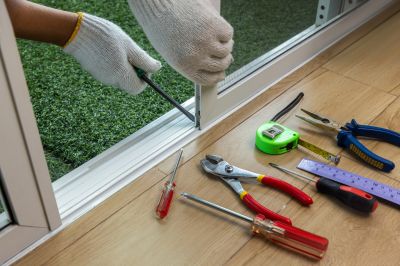 Door closer repairs are essential for maintaining the proper function and security of entryways in commercial, residential, and institutional settings. Over time, components such as springs, hydraulic arms, seals, and mounting brackets can wear out or become damaged, leading to issues like doors not closing fully, slamming shut, or remaining ajar. Addressing these problems promptly can help preserve the integrity of the door system and ensure safety.
Top Overall Option
Universal Hydraulic Door Closer Repair Kit
This versatile repair kit offers a comprehensive set of hydraulic components, seals, and adjustment tools suitable for a wide range of door closer models. Designed for ease of use, it allows users to perform maintenance and repairs efficiently, restoring proper closing function and reducing wear over time.
Types of Products For Door Closer Repairs
Hydraulic Repair Kits
Complete kits containing seals, pistons, and hydraulic fluid for restoring door closer functionality.
Replacement Hydraulic Pistons
Individual pistons for replacing worn or damaged hydraulic components to ensure smooth operation.
Seals and Gaskets
Seals designed to prevent leaks and maintain hydraulic pressure within the door closer.
Adjustable Tension Arms
Arms that allow for fine-tuning the closing speed and force of the door.
Mounting Brackets and Hardware
Replacement brackets and hardware for securing the door closer to the door frame.
Hydraulic Fluid
Fluid specifically formulated for hydraulic door closers to ensure proper operation.
Spring Replacement Parts
Components for repairing or replacing the internal springs that control door closing force.
Adjustment Tools
Specialized tools for adjusting tension, speed, and latching functions.
Piston Rods
Replacement rods for hydraulic pistons to restore smooth movement.
Cover Plates
Protective covers for concealing repair work and providing a finished appearance.
Popular Choices
Widely used for general maintenance and repair of various door closer models, offering a range of seals and hydraulic components.
Commonly selected for restoring hydraulic pressure and smooth closing action.
Popular for preventing leaks and maintaining hydraulic function.
Frequently used for fine-tuning closing speed and force adjustments.
Essential for securing door closers after repairs or replacements.
Essential for refilling or topping up hydraulic systems during repairs.
Commonly chosen for fixing or replacing internal springs to restore proper tension.
Popular for protecting repair areas and providing a neat appearance.
When considering repair options, it is important to understand the specific type of door closer installed and the nature of the issue. Some repairs might involve replacing internal hydraulic components, adjusting tension settings, or replacing worn-out mounting hardware. Using the right products can extend the lifespan of your door closer and improve its performance.
A variety of repair products are available to suit different needs, including repair kits that contain multiple components, replacement arms, hydraulic fluid, and adjustment tools. Selecting compatible parts and understanding the repair process can make maintenance more straightforward and cost-effective. It is also advisable to consult manufacturer guidelines or professional advice when in doubt.
Proper repair and maintenance of door closers not only enhance functionality but also contribute to the overall safety and security of the premises. Regular inspections and timely replacements of faulty parts can prevent more significant issues down the line. Whether you are a building manager, maintenance professional, or homeowner, having access to reliable repair products can make the upkeep of your door systems more manageable.
Key Buying Considerations
- Compatibility with your specific door closer model and brand.
- Type of repair needed—whether replacing seals, pistons, or entire kits.
- Ease of installation and whether professional help is recommended.
- Quality and durability of the repair components.
- Availability of replacement parts for future maintenance.
- Hydraulic fluid specifications to match your door closer's requirements.
- Tools required for installation or repair and whether they are included.
- Size and dimensions of replacement parts to ensure proper fit.
- User reviews and ratings for reliability and performance.
- Price point relative to the scope of repair or replacement.
- Warranty or guarantee offered by the manufacturer or seller.
- Instructions or guidance provided for DIY repairs.
- Material quality to withstand frequent use and environmental conditions.
- Brand reputation and customer support options.
- Compatibility with different door types and weights.